
Introduction: The Importance of Solar Lighting in Africa
Africa faces an array of unique power challenges that have profound implications for its communities and economies. With nearly 600 million people lacking access to reliable electricity, many households depend on inconsistent and costly energy sources, such as kerosene lamps and diesel generators. These lighting solutions not only present safety hazards but also contribute to environmental damages, exacerbating climate change. As the continent strives to propel its development, the demand for sustainable, safe, and affordable energy alternatives has never been more pressing.
Solar lighting has emerged as a pivotal solution to address these energy challenges, offering a renewable resource that is both accessible and scalable. The sunlight that penetrates the African continent is abundant and untapped; harnessing this potential through solar solutions can transform the lives of countless individuals. By integrating solar lighting into daily life, communities can drastically improve safety, education, and local economies.
Moreover, solar lighting enhances educational opportunities, particularly in rural areas where access to electricity is limited. Children can study after dark, leading to improved academic performance and ultimately better career prospects. Additionally, businesses benefit from solar lighting as it extends operational hours, promoting economic activity and fostering local entrepreneurship.
Investing in solar lighting is not only a pathway to meeting immediate energy needs but also aligns with broader sustainable development goals. Governments, NGOs, and private sectors are increasingly recognizing the significance of solar solutions in reducing energy poverty, promoting economic growth, and protecting the environment. As we delve deeper into the business opportunities within the solar lighting sector, it will become clear that this sustainable approach is essential for empowering individuals and communities across the continent.
Understanding Africa’s Power Challenges and Energy Needs
Africa is home to approximately 1.2 billion people, yet over 600 million are without access to electricity, illustrating a significant challenge in the continent’s energy landscape. The reasons for this energy poverty are multifaceted, ranging from a dependence on non-renewable energy sources to inadequate infrastructure and political instability. These factors contribute to an unreliable power supply that hampers economic growth and development.
In recent years, many regions have seen fluctuations in electricity supply, leading to frequent power outages. For instance, countries such as Nigeria and South Africa face chronic energy crises, where outages can last hours or even days, impacting both households and businesses. These interruptions not only disrupt daily activities but also contribute to losses in productivity and economic downturns.
The repercussions of energy poverty extend beyond mere inconvenience; they deeply affect quality of life. Households without reliable electricity lack access to essential services such as education, healthcare, and economic opportunities. According to the International Energy Agency (IEA), the lack of electricity is a critical barrier to education for children, particularly affecting their ability to study at night or access technologies that facilitate learning.
Additionally, women and children are disproportionately affected by energy challenges, often tasked with collecting firewood or other fuels for cooking and lighting, often compromising their safety and health. In rural communities, the reliance on kerosene lamps poses severe health risks, including respiratory issues, and contributes to environmental degradation.
Addressing these challenges is imperative for Africa’s socio-economic development. Exploring innovative solutions, particularly in renewable energy, could significantly improve access and sustainability. Solar lighting technologies, for example, present a viable option to meet the energy needs of millions while fostering empowerment and self-reliance across the continent.
The Growing Demand for Solar Lighting Solutions
The demand for solar lighting solutions in Africa has seen a significant surge in recent years. This increase can largely be attributed to the pressing needs of off-grid communities that lack reliable access to electricity. According to various reports, around 600 million people in Sub-Saharan Africa live without electricity, creating a substantial market for alternative energy sources. Solar lighting emerges as a viable solution, offering a sustainable and affordable means of illumination to these underserved areas.
One of the primary drivers of this growing demand is the necessity for businesses and households to maintain productivity after dark. Traditional fossil fuel-based lighting options are often not only economically unsustainable but also environmentally detrimental. In contrast, solar lighting systems present a clean, renewable energy source that significantly reduces carbon emissions. This aligns well with global efforts to transition towards greener energy solutions, making solar power an appealing choice.
Furthermore, the economic landscape in Africa is evolving, with numerous small to medium-sized enterprises (SMEs) emerging in sectors reliant on consistent lighting solutions. As these businesses begin to flourish, the demand for affordable and reliable solar lighting solutions is likely to grow in tandem. Harnessing renewable energy not only empowers communities through better lighting but also equips them with the necessary tools for economic advancement.
These developments highlight the multifaceted benefits of solar lighting solutions, which extend beyond mere illumination. As awareness grows and the manufacturing infrastructure expands, more communities and businesses will be able to access these indispensable resources. Thus, investing in solar lighting is not only a business opportunity but a means of bridging the energy gap that continues to hinder development across the continent. This empowers communities through sustainable energy solutions and fosters economic growth in various sectors.
Solar Lighting: Merging Profit with Social Impact
Investing in solar lighting offers a unique intersection of financial viability and social responsibility. As the demand for sustainable energy solutions increases, businesses are recognizing that solar lighting not only generates profit but also enhances the quality of life in communities across Africa. This dual benefit positions solar lighting as a pivotal element in both economic growth and social development.
One notable case is the implementation of solar lanterns in rural communities, which previously relied on expensive and hazardous kerosene lamps. Companies involved in this initiative not only capitalized on the market for affordable solar products but also provided families with safe, reliable light sources. By alleviating the dependency on kerosene, solar lighting significantly reduces household expenses while improving health conditions associated with smoke exposure.
Moreover, the impact of solar lighting extends to educational opportunities. For instance, by supplying solar-powered LED lights to schools, children can study after dark, leading to improved academic performance. Businesses that partner with educational institutions in these projects can cultivate brand loyalty while fulfilling a vital community need. These initiatives exemplify how profit and social impact are intricately linked, as companies that support education through solar solutions enhance their reputation and foster goodwill among consumers.
Furthermore, larger infrastructure projects, such as solar street lighting, not only illuminate urban areas but also contribute to safer environments. Investment in such projects creates jobs, invigorating local economies while addressing social concerns related to security and mobility. By developing and implementing solar lighting systems, businesses unlock new revenue streams while playing a crucial role in promoting accessibility and economic resilience.
Ultimately, the solar lighting sector exemplifies how profitability can coincide with meaningful social impact. By choosing to invest in this vital area, businesses not only secure their financial futures but also contribute to sustainable development and improved community welfare across Africa.
China’s Supply Chain Advantage in Solar Lighting Production
China holds a leading position in the global solar lighting industry, thanks to its advanced manufacturing capabilities and streamlined supply chains. The country has cultivated a robust ecosystem for solar product fabrication, which encompasses everything from raw materials to high-tech finishing and assembly. This extensive network not only makes China a preferred supplier but also facilitates cost efficiencies that can be crucial for businesses seeking quality solar lighting solutions.
One of the primary advantages of sourcing solar products from China lies in the economies of scale achieved through mass production. Chinese manufacturers benefit from a well-established infrastructure that reduces overhead costs, allowing them to offer competitive pricing. This cost advantage can be a decisive factor for African entrepreneurs venturing into the solar lighting space. By collaborating with Chinese manufacturers, they can access high-quality products at lower prices, thus enhancing their market competitiveness.
Moreover, quality control mechanisms in Chinese manufacturing enterprises have improved significantly in recent years. Many manufacturers adhere to international standards, ensuring that their solar lighting products are both reliable and efficient. This commitment to quality is pivotal for African businesses, as the long-term performance of solar lighting products directly impacts customer satisfaction and brand reputation.
Furthermore, partnerships with Chinese manufacturers can also open avenues for technology transfer and innovation. By working closely with these suppliers, African entrepreneurs can gain insights into new product developments, techniques, and best practices. This knowledge exchange is essential for creating tailored solar solutions that meet the unique needs of diverse African markets.
In summary, China’s supply chain advantage in solar lighting production presents a significant opportunity for African entrepreneurs. Leveraging cost efficiencies, quality assurance, and potential collaborative innovations can empower local businesses to thrive in the renewable energy landscape.
How UmiGlobalTrade Facilitates Sourcing and Logistics
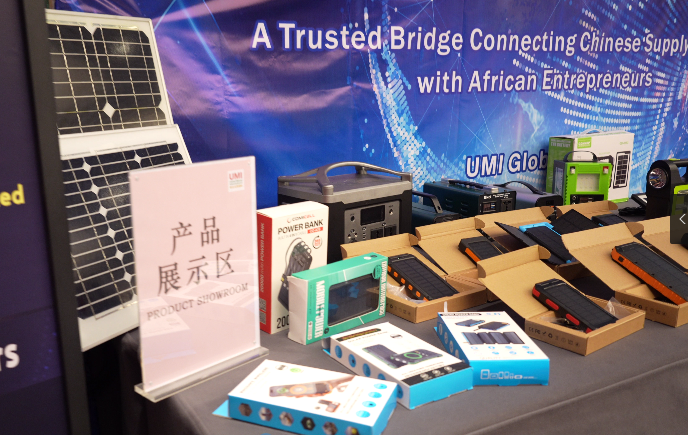
UmiGlobalTrade plays a crucial role in empowering African businesses through its innovative platform dedicated to sourcing solar products and managing logistics. As the demand for sustainable energy solutions grows within the continent, UmiGlobalTrade positions itself as a pivotal facilitator, providing businesses with essential tools to navigate this evolving market landscape.
One of the primary services offered by UmiGlobalTrade is its comprehensive sourcing capabilities. The platform connects local businesses with a diverse range of international suppliers who specialize in solar lighting products. This connection not only broadens product availability but also ensures that the businesses can procure high-quality items that meet their specific needs. By effectively matching suppliers and buyers, UmiGlobalTrade helps to streamline the procurement process, facilitating efficient transactions that benefit all parties involved.
In addition to sourcing, UmiGlobalTrade places a significant emphasis on logistics management. Understanding the complexities involved in transporting solar products across the African continent, the platform offers tailored logistics solutions. This includes warehousing, shipping, and distribution services that are designed to overcome obstacles such as infrastructure challenges and customs regulations. By ensuring that products are delivered in a timely and cost-effective manner, UmiGlobalTrade enhances the overall efficiency of the supply chain, which is vital for businesses looking to thrive in the competitive solar market.
Furthermore, UmiGlobalTrade assists in executing trade agreements, providing guidance and support throughout the negotiation process. This includes facilitating communication between vendors and local enterprises and offering insights into market trends that may affect agreement terms. By simplifying the complexities of international trade, UmiGlobalTrade empowers African businesses to establish beneficial relationships that foster growth and sustainability in the solar industry.
Real Trade: Container Loading and Execution in Solar Lighting
The process of container loading and execution in the trade of solar lighting products is a vital element in ensuring that businesses can effectively meet market demands. Efficient container loading not only maximizes space but also protects the integrity of solar lighting products during shipment. UmiGlobalTrade adopts a systematic approach, ensuring that all operational steps are streamlined and effective.
The first step in container loading involves meticulous planning. UmiGlobalTrade employs specialized software to optimize the loading process. This planning phase includes assessing shipment schedules, calculating the optimal arrangement of solar lighting products, and considering weight distribution to prevent damage during transit. By utilizing advanced logistics technology, they can ensure that each container achieves its full capacity while maintaining a focus on the safety and security of the solar lighting products.
Once the planning is complete, the actual loading commences. Containers are typically loaded at the warehouse facilities equipped with the necessary equipment to handle the diverse range of solar lighting products. Skilled personnel follow the pre-established loading plans carefully to ensure that all items are placed securely. UmiGlobalTrade places significant emphasis on this phase to minimize the chances of a logistic mishap, which is crucial in maintaining customer trust and satisfaction.
After container loading, the execution of trade moves to the documentation and shipping stages. Proper documentation is critical for facilitating customs clearance and ensuring compliance with international trade laws. UmiGlobalTrade’s experience in navigating these complexities allows for a seamless transition from loading to delivery. The company also proactively tracks shipments, providing clients with updates to assure them of timely arrivals.
In conclusion, UmiGlobalTrade exemplifies an efficient model for container loading and execution in the solar lighting trade. By leveraging sophisticated tools and processes, they not only enhance operational efficiency but also contribute significantly to the overall accessibility of solar energy solutions in Africa.
The Power of Business Networking and Community Support
The solar lighting sector in Africa has a profound potential to uplift communities and enhance economic opportunities. However, to fully harness this potential, African entrepreneurs must engage in effective business networking and utilize the power of community support. Networking among entrepreneurs fosters collaboration, knowledge sharing, and access to resources, leading to greater innovation and success in the solar industry.
Business networking serves as a catalyst for growth in the solar lighting space by allowing entrepreneurs to connect with peers, mentors, and industry experts. Platforms such as the Africa Renewable Energy Initiative (AREI) and the Solar Trade Association of Africa provide invaluable resources that facilitate networking opportunities. These organizations not only promote partnerships but also create forums where entrepreneurs can share experiences, learn from one another, and build strategic alliances that enhance their ventures.
Moreover, community support plays a critical role in the successful implementation of solar lighting solutions. Local collaborative initiatives often yield better outcomes than isolated efforts. For instance, businesses that engage with local communities can tailor their products to meet specific needs, ensuring higher adoption rates. By working together, entrepreneurs can also pool resources to tackle challenges such as distribution, financing, or even regulatory hurdles.
Initiatives like the Solar Sister program exemplify how community collaboration can elevate the solar sector. By empowering women entrepreneurs through training, resources, and support networks, Solar Sister not only boosts individual businesses but also contributes to community-wide transformations. This model showcases the interconnectedness of business success and community development, illustrating how networking and support can lead to sustainable impacts in the solar lighting sector.
Youth Empowerment through Real Business Opportunities
Empowering the youth in Africa to engage in the solar lighting business is not just about economic growth; it is about instilling a sense of purpose and community development. As Africa faces significant energy challenges, solar lighting presents a sustainable solution that young entrepreneurs can leverage to create impactful initiatives. By investing in the solar lighting sector, youth can become catalysts for change in their communities, promoting access to clean energy and improving quality of life.
Countless inspiring stories illustrate how young individuals have transformed their local landscapes by establishing solar lighting businesses. For instance, a young entrepreneur in Kenya started a small company that distributes solar-powered lamps to rural households. This initiative not only provided affordable energy solutions but also created jobs for local youth, fostering a sense of community. By engaging in the solar lighting industry, these young leaders are not only addressing the pressing issue of energy scarcity but also enhancing their economic prospects.
The solar lighting business is a viable opportunity for youth to develop essential skills, such as marketing, financial management, and technology utilization. By participating in this sector, young people gain valuable hands-on experience, which enhances their employability in the broader job market. Furthermore, the unique position of youth as local residents allows them to identify specific needs within their communities and tailor their services accordingly. This local knowledge often leads to innovative solutions and products that can resonate with their customer base.
In conclusion, the solar lighting business offers immense prospects for Africa’s youth. Empowering young entrepreneurs not only addresses energy challenges but also stimulates economic growth and social cohesion. By encouraging youth engagement in this sector, Africa can harness the potential of its younger population, facilitating a brighter and more sustainable future for the continent.