
Trust serves as a pivotal foundation in the ever-evolving relationship between China and Africa. As these regions increase their collaborations, the cultivation of trust through consistent interactions and mutual respect is becoming increasingly essential. Both parties recognize that for partnerships to flourish, trust must be nurtured, reflecting the shared intentions and aspirations of the involved nations. The significance of trust is further highlighted in the myriad of personal stories shared by young individuals engaged in these partnerships, showcasing their experiences and the transformative impact of mutual confidence.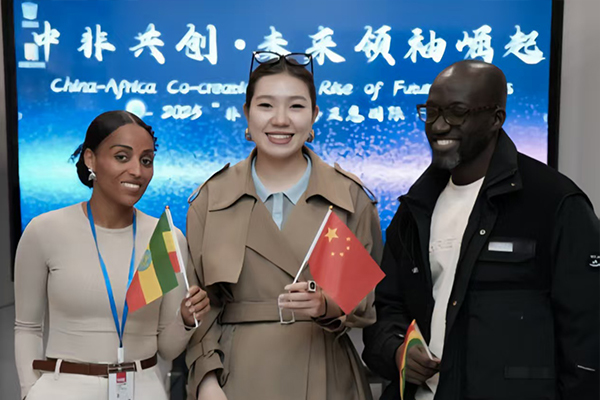
A notable example of trust being established can be observed in educational exchanges. Students from various African countries participate in scholarship programs in China, which fosters knowledge transfer and cultural understanding. These young people return to their home countries equipped not only with academic knowledge but also with a deeper appreciation of Chinese culture. Such experiences create a cycle of trust as these graduates share their positive experiences, encouraging more students to engage with Chinese institutions. In this way, trust is built gradually through shared educational goals and cultural revelation.
Moreover, this trust extends to various sectors, including technology and infrastructure development. As Chinese firms undertake projects in Africa, they prioritize the establishment of genuine relationships with local communities. These relationships are marked by respect for local customs and active engagement with stakeholders, resulting in a collaborative working environment. Collaborative efforts yield benefits such as job creation and skills development, highlighting that trust transcends mere economic transactions, reaching into the core of human interactions.
Thus, the essence of trust is undeniably woven into the fabric of China-Africa partnerships. Through consistent dialogue and shared experiences, this trust lays the groundwork for productive collaborations which ultimately enhance the ties between these two dynamic regions. The foundation built on trust encourages a sustainable partnership model that emphasizes cooperation beyond mere trade and technology exchanges.
Understanding Through Shared Journeys
The significance of cultural and social context in fostering effective partnerships cannot be overstated. As China and Africa continue to deepen their collaborative ties, individuals who have engaged in cross-cultural exchanges play a crucial role in illustrating the potential benefits of this partnership. The journey is not solely about economic gain or political strategy; it is also a profound opportunity for mutual understanding and shared growth. Engaging in these relationships allows both sides to navigate their differences and unveil commonalities that enhance cooperation.
Stories of individuals who have ventured into the tapestry of cross-cultural exchanges often reveal valuable insights. For instance, a Chinese entrepreneur working in Kenya recounted how understanding local customs and traditions was pivotal to establishing a successful business. By participating in community activities, she learned about the essential elements of trust and interpersonal relationships that are deeply rooted in African culture. This experience not only improved her business acumen but also fostered a genuine connection with the local community, allowing both parties to grow together.
Similarly, African students studying in Chinese universities frequently share transformative experiences that illuminate the importance of empathy and patience. The blending of different perspectives in educational settings often leads to innovative solutions for shared challenges. These students return home with a wealth of knowledge and insights that advocate for a more nuanced understanding of partnership, shifting the narrative from superficial exchanges to deeper, more meaningful interactions.
Viewing the China-Africa partnership as a journey enriches the collaboration, promoting empathy and adaptability. As individuals from diverse backgrounds engage in dialogue and experience each other’s cultures, they foster an environment that encourages both learning and adaptation. This mutual journey ultimately leads to a more robust partnership that benefits not only the individuals involved but also the communities they represent.
Building Connections Beyond Business
In the evolving landscape of the China-Africa partnership, various initiatives led by organizations such as UMI (United for Mutual Innovation) are fostering connections that extend beyond mere commercial transactions. These programs prioritize the development of youth engagement, leadership, and innovation among young Africans and their Chinese counterparts. By focusing on collaboration and education, these initiatives seek to cultivate a generation of leaders who are equipped to tackle the challenges facing their communities.
One notable project is the “Youth Innovation Summit,” which acts as a platform where young people from both regions can converge to share ideas and collaborate on solutions. This summit not only emphasizes entrepreneurial skills but also encourages participants to think creatively about addressing local issues. Participants leave with enhanced knowledge, skills, and a broader network, fostering a sense of unity and purpose.
Another impactful initiative is the “Cultural Exchange Program,” which allows students from Africa and China to engage directly with each other’s cultures. Through workshops, mentorship, and community service projects, participants gain insight into different cultural perspectives, which fosters mutual respect and understanding. This cross-cultural engagement is crucial in dismantling stereotypes and building lasting relationships that contribute to a harmonious partnership.
Moreover, UMI has launched various leadership training programs aimed at empowering young leaders with the tools required to implement change. These programs incorporate practical workshops and interactive seminars led by experienced professionals. By equipping the youth with skills related to governance, project management, and community development, UMI is nurturing the next generation of changemakers who can inspire and lead their communities toward a brighter future.
Overall, these initiatives signify a commitment to holistic development, recognizing that sustainable growth in the China-Africa partnership goes beyond economic interests. The collaborative spirit encourages youth to become active participants in their societies, thus creating a vibrant network of interconnected individuals dedicated to driving positive change.
Transforming Trust Into a Brighter Future
The relationship between China and Africa has evolved significantly over the years, marked by a foundation of trust and cooperation that seeks to empower both regions. This transformative partnership emphasizes the importance of mutual respect and understanding, paving the way for enhanced collaboration in various sectors, including trade, education, and technological advancement. By fostering a spirit of cooperation, stakeholders can address pressing challenges, from economic disparities to environmental sustainability, ultimately transforming potential obstacles into opportunities for growth.
Central to this vision is the mission to nurture a future generation that is equipped to make meaningful contributions to society. Investing in education and skill development is pivotal for ensuring that young individuals possess the knowledge and tools necessary to navigate the complexities of the modern world. Through joint initiatives, such as scholarship programs and vocational training, China and Africa can cultivate a workforce that is not only competitive but also innovative. This dynamic workforce can drive forward local economies and inspire sustainable practices that benefit both communities.
Partnerships are the bedrock of this transformative journey, as they promote shared values and collaborative efforts. Organizations on both sides are increasingly recognizing the potential of working together to harness resources, share best practices, and launch joint projects that thrive on the unique strengths of each partner. By establishing networks of support and creating avenues for dialogue, these partnerships enable the flourishing of shared opportunities, ensuring that the benefits of cooperation extend beyond borders.
Ultimately, the commitment to transforming trust into tangible outcomes can lead to collective upliftment and growth for both China and Africa. With continued collaboration and an unwavering focus on empowerment, the future holds great promise, inspiring a new era of prosperity driven by shared aspirations and boundless potential.